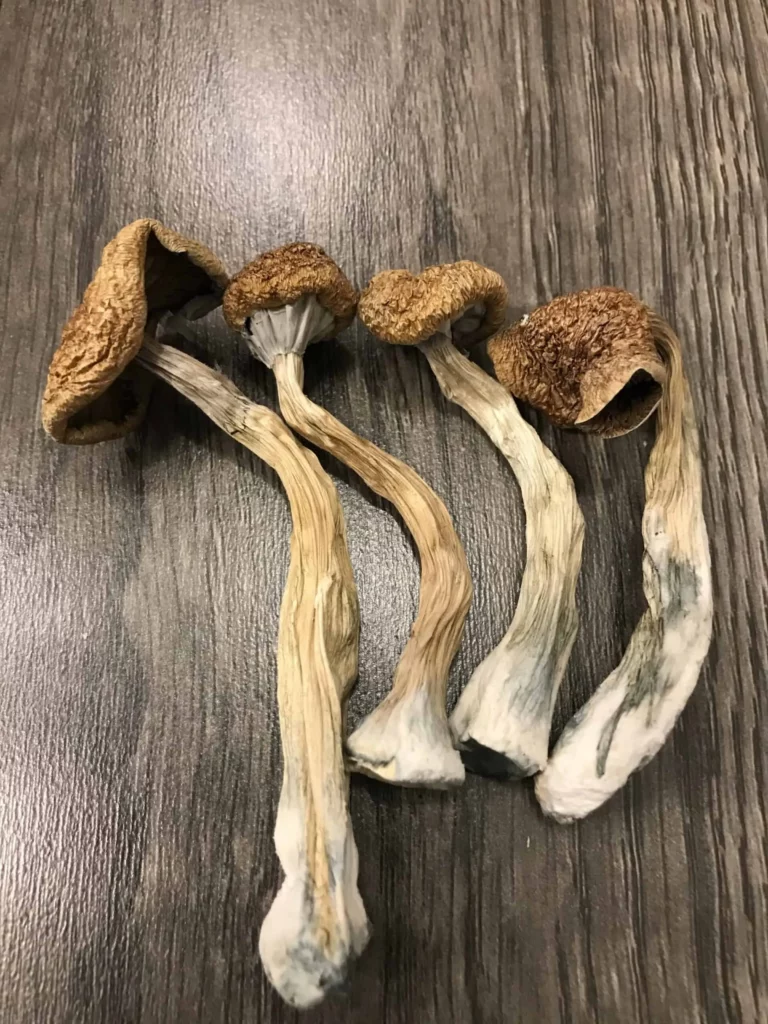
Psilocybin, the active compound found in certain species of mushrooms, has garnered renewed interest in recent years due to its potential therapeutic benefits. As research continues to unfold, a growing body of evidence suggests that psilocybin could be a transformative tool in the treatment of various mental health conditions, including depression, anxiety, and PTSD. This article explores the scientific foundations of psilocybin, its historical context, recent breakthroughs in research, and the implications of its use in mental health therapy. As we delve into compelling case studies and examine the legal and ethical considerations surrounding psilocybin, we will also look ahead to its potential for mainstream acceptance and the challenges that still lie ahead.
The Science Behind Psilocybin: Understanding Its Effects
Biochemical Mechanisms of Psilocybin
Psilocybin, the psychedelic compound found in magic mushrooms, is a chemical wizard. Once ingested, it’s rapidly metabolized into psilocin, which then performs a tango with serotonin receptors in the brain, primarily the 5-HT2A receptor. This action disrupts the usual pathways of our brain, leading to altered perception, enhanced creativity, and, sometimes, existential revelations. Think of it as a way for your brain’s default mode network (DMN) to take a vacation—resulting in a more connected experience of consciousness and a different perspective on reality itself.
Psychological Effects and User Experiences
The psychological effects of psilocybin can range from euphoric laughter to deeply introspective moments that might leave you questioning your life choices—or marveling at the universe. Users often report feelings of unity with their surroundings, emotional release, and an altered perception of time. Some describe experiences akin to mini-therapy sessions, complete with profound insights, while others find themselves floating in a sea of colorful visuals. However, remember, not every trip is a picnic; it can also stir up anxieties or unresolved traumas. It’s like stepping into a funhouse mirror—sometimes you see something beautiful, and other times, well, it’s just a bit distorted.
Historical Context: Psilocybin in Indigenous Cultures and Early Research
Traditional Uses in Shamanic Practices
The 20th Century: A Shift in Perception
The 20th century was like that one friend who suddenly gets really into meditation and stops eating gluten. Initially, psilocybin enjoyed a renaissance among psychologists and researchers who were intrigued by its potential for mental health treatment. However, the 1960s brought about a chaotic shift in its perception, with the rise of counterculture and government crackdowns that led to its criminalization. Research fell to the wayside, and psilocybin was tossed into the same cauldron as other “dangerous drugs”. Fast forward to today—after decades in the shadows, we’re witnessing a resurgence of interest that’s finally bringing this magical compound back into the light (thankfully minus the bell-bottoms).
Recent Breakthroughs in Psilocybin Research
Key Studies and Findings
In recent years, psilocybin has made a triumphant comeback in scientific circles, with numerous studies showcasing its potential therapeutic benefits. For example, research conducted at institutions like Johns Hopkins and NYU has demonstrated its efficacy in treating depression and anxiety, particularly in terminal illness patients. Participants reported lasting positive changes in mood and perspective after just one or two sessions. It’s almost like a psychological reset button—without the risk of losing your favorite memes.
Innovations in Research Methodology
Researchers are getting creative, applying innovative methodologies in psilocybin studies that go beyond simple questionnaires. They’re utilizing brain imaging technologies to observe the real-time effects on brain activity and connectivity. Plus, there’s a mindful focus on creating supportive environments—seriously, no one wants to have a transformative experience in a sterile lab that smells like antiseptic. It’s about creating a safe, comfortable space where participants can explore their minds—a bit like a cozy, psychedelic spa day.
Psilocybin and Mental Health: Treating Depression, Anxiety, and PTSD
Clinical Trials and Results
Clinical trials have been the catapult propelling psilocybin into the mental health limelight. Results from studies have shown promising outcomes in treating depression, anxiety, and PTSD. Participants often find relief from symptoms within days and maintain benefits for months afterward. Early findings, including those from randomized controlled trials, suggest psilocybin can lead to significant reductions in depressive symptoms and anxiety when paired with psychotherapy. It’s like a motivational seminar for your brain—but with fewer cheesy PowerPoint slides.
Mechanisms of Action in Mental Health Treatment
So, how does psilocybin work its magic on mental health? It’s thought to promote neuroplasticity—the brain’s ability to form new neural connections—along with enhancing emotional processing. By disrupting entrenched thought patterns and providing new perspectives, psilocybin can help individuals confront and process trauma or chronic stress in a way that traditional therapies sometimes struggle to achieve. Imagine your brain doing a little spring cleaning, shoving aside old, dusty beliefs to make room for shiny new insights. Who knew mushrooms could be so therapeutic?
Legal and Ethical Considerations in Psilocybin Research
Current Legal Status Worldwide
The legal status of psilocybin varies drastically from one region to another, making it a real patchwork of regulations. In some countries, like the Netherlands, psilocybin truffles are sold openly, while in others, like the United States, it remains classified as a Schedule I substance. However, recent years have seen a movement towards decriminalization and medical research approvals, with states like Oregon paving the way for therapeutic use. Meanwhile, Canada is experimenting with psilocybin in end-of-life care, showing that change is afoot. Buckle up, folks; the legal landscape is evolving faster than you can say “magic mushrooms.”
Ethical Considerations in Psilocybin Studies
When diving into the world of psilocybin research, ethical considerations are like the unwelcome dinner guest who refuses to leave. Informed consent is paramount, as participants must fully understand what they’re getting themselves into (spoiler: it’s not just a stroll in the park). Researchers must also navigate the fine line between therapeutic benefits and potential psychological risks. Ensuring that studies do not exploit vulnerable populations is crucial, and maintaining transparency can help avoid the pitfalls of past pharmaceutical misadventures. Ethical integrity isn’t just a box to check off; it’s the backbone of responsible research.
Case Studies: Success Stories from Psilocybin Therapy
Profiles of Individuals Who Benefited
Meet Jane, a former soldier turned anxiety-stricken insomniac. After a few guided psilocybin sessions, Jane reported not just better sleep but a renewed zest for life. Then there’s Bob, who bravely faced terminal cancer; his psilocybin therapy helped ease the existential dread that crept in like an uninvited guest. These individuals are just a few shining examples of psilocybin’s transformative potential. Their stories demonstrate that sometimes the answer doesn’t come from a bottle but from a little magic mushroom.
Comparative Analysis with Traditional Therapies
Traditional therapies often resemble a game of whack-a-mole, where one symptom gets treated but another pops up, leaving people frustrated (and sometimes a bit sore). Enter psilocybin, which appears to tackle the root causes of mental health issues rather than just the surface symptoms. While SSRIs and talk therapy have long been the gold standard, studies show that psilocybin can lead to long-lasting change after just a few sessions. So, is it time to swap the prescription pad for a handful of shrooms? The data is suggesting that our approach to mental health may need a serious makeover.
The Future of Psilocybin: Potential for Mainstream Acceptance
Advocacy and Public Perception
The tide is turning when it comes to public perception of psilocybin. Advocacy groups are emerging like mushrooms after a rainstorm, pushing for reform and educating the masses that these fungi are more than just a party trick. Media coverage is shifting from sensationalist horror stories to success tales highlighting the therapeutic potential of psilocybin. As people become more informed, the stigma is slowly fading away, leading to a future where psilocybin may be viewed as a legitimate, even desirable, option for mental health treatment.
Integration into Medical Practices
Imagine walking into a doctor’s office where a doctor doesn’t just ask about your symptoms but also about your interest in psilocybin therapy—sounds futuristic, right? But with ongoing research and positive outcomes, we could be looking at psilocybin making its way into mainstream medical practices. Training programs for professionals are starting to emerge, and therapy models incorporating psilocybin are being developed. The dream of a holistic approach, complementing traditional medicine with these ancient tools, is inching closer to reality.
Challenges and Limitations in Psilocybin Research
Scientific and Regulatory Hurdles
While the psilocybin train is chugging along, it’s not without its bumps—hello, regulatory hurdles! Navigating the red tape surrounding clinical trials can feel like trying to solve a Rubik’s Cube blindfolded. Researchers often face funding shortages, strict regulations, and limited access to psilocybin itself for studies. The scientific community sometimes treats new therapies like the kid who forgot to do his homework, delaying progress even when the potential is massive. It’s a race against the clock, but passionate researchers are determined to clear the obstacles.
Skepticism and Misinformation
Despite a growing body of positive research, skepticism about psilocybin therapy still lingers, often fueled by misinformation. A quick scroll through social media reveals a tangled web of myths—think “shrooms will make you go crazy” or “you’ll never come back down.” This skepticism not only hampers progress on the research front but also hinders potential patients from exploring viable treatment options. Combating misinformation with factual, evidence-based education is essential to pave the way for acceptance. After all, knowledge is power—especially when it comes to something as misunderstood as psilocybin.In conclusion, psilocybin research has the potential to revolutionize our understanding and treatment of mental health disorders.
As studies continue to illuminate its benefits and safety, the path toward broader acceptance and integration into therapeutic practices becomes increasingly feasible. However, ongoing dialogue about legal, ethical, and societal implications will be essential as we navigate this evolving landscape. With continued research and collaboration, psilocybin may become a key player in the future of mental health care, offering hope to many who seek relief from their struggles.
Frequently Asked Questions
What is psilocybin and how does it work?
Psilocybin is a naturally occurring psychedelic compound found in certain mushrooms. When ingested, it is converted into psilocin, which interacts with serotonin receptors in the brain, leading to altered perception, mood changes, and, in some cases, therapeutic effects for mental health disorders.
Is psilocybin legal?
The legal status of psilocybin varies widely across different countries and regions. While some places have decriminalized or legalized its use for medical purposes, others still classify it as a controlled substance. It is essential to check local laws and regulations regarding psilocybin research and therapy.
What mental health conditions can psilocybin potentially help treat?
Research suggests that psilocybin may be effective in treating a variety of mental health conditions, including depression, anxiety, PTSD, and substance use disorders. Clinical trials have shown promising results, indicating its potential as a therapeutic tool.
Are there any risks or side effects associated with psilocybin use?
While psilocybin is generally considered safe when administered in controlled settings, it can cause side effects such as nausea, anxiety, and altered perceptions. Individuals with a history of mental health issues, particularly those prone to psychosis, may be at higher risk for adverse effects.
No Responses