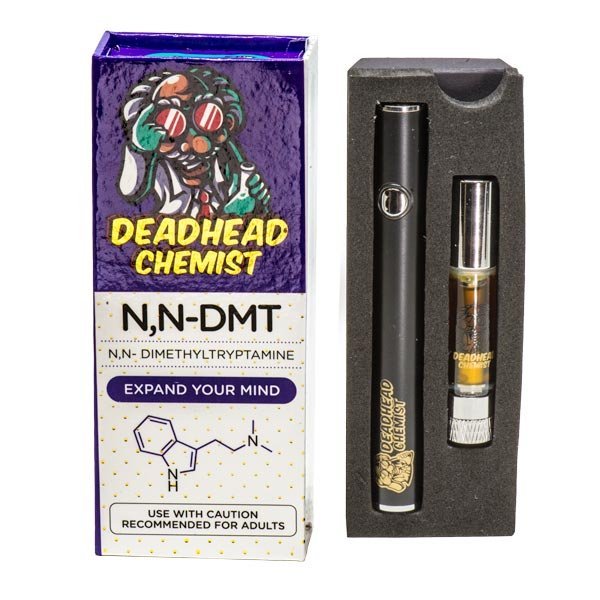
DMT, or dimethyltryptamine, is a powerful psychedelic compound that has garnered significant attention for its intense and often transformative experiences. As its popularity grows, many individuals are left wondering about its legal status, particularly in the UK. This article explores the complexities surrounding the legality of DMT, examining current laws, potential penalties for possession and distribution, and how it compares to other psychedelics. Furthermore, it addresses common misconceptions and provides resources for those seeking more information on this intriguing substance.
Overview of DMT and Its Effects
What is DMT?
Common Uses and Experiences
Potential Risks and Side Effects
Legal Status of DMT in the UK
Current Legislation Overview
Comparison with Other Countries
Classification of DMT under UK Law
Controlled Substances Act
Schedule 1 Classification Explained
Being classified as a Schedule 1 drug means that DMT is considered to have no accepted medicinal value and is highly restricted. This classification also means that the manufacture, supply, and possession of DMT are heavily monitored and controlled by the government. Essentially, the UK authorities view it as a no-go zone for recreational use, so if you’re considering a DMT-tinged weekend, you might want to rethink your plans.
Penalties for Possession and Distribution
Consequences of Possession
Possessing DMT in the UK is a serious offense. If caught, you could face up to seven years in prison, an unlimited fine, or both. Yes, you read that right—seven years. That’s a long time to reflect on your life choices! Even if you’re just holding on to a small amount, the legal system doesn’t discriminate.
Legal Implications of Distribution
Distributing DMT is an even graver offense. If you’re found guilty of supplying or trafficking DMT, you’re looking at a potential life sentence. Talk about a buzzkill! The authorities take drug distribution very seriously, and the consequences are designed to deter anyone from thinking it’s a good idea to share their “spiritual journey” with the masses. So, keep your DMT adventures to yourself—or face some serious legal repercussions!
Comparison with Other Psychedelics
Legal Status of Psilocybin and LSD
While DMT finds itself snugly tucked under the UK’s Schedule 1 category, it has some interesting company. Psilocybin, the nifty little compound found in magic mushrooms, and LSD, the iconic hallucinogen, are both classified similarly. In essence, they’re all illegal, but the landscape is changing. Psilocybin, for instance, is starting to wiggle its way into the realm of research and potential therapeutic use, sparking debates over whether the UK will revisit its stubborn stance on these mind-bending substances. Stay tuned—this psychedelic saga is just getting started.
Public Perception and Cultural Context
DMT doesn’t quite have the same media face time as its psychedelic cousins, but that’s not to say it lacks a following. Public perception often swings between intrigue and fear, fueled by the ethereal ecstatic experiences shared by users. While some see it as a gate to spiritual enlightenment, others view it with skepticism, mostly influenced by a lack of understanding. In popular culture, it’s sporadically celebrated in art and music, often associated with deep philosophical musings or wild, mind-expanding journeys. This dichotomy keeps the conversation lively and often muddled.
Recent Developments in DMT Legislation
Proposed Changes and Reforms
As research into the therapeutic potential of psychedelics gains momentum, the idea of re-evaluating laws surrounding DMT is becoming less of a fantasy and more of a conversation starter. Organizations and advocates are pushing for reforms that could make the use of DMT for therapeutic purposes a reality. While we’re not rolling out the red carpet for legal DMT just yet, proposals are being stirred up, and who knows, the next parliament session might just be the one to shake things up!
Impact of Research on Legislation
Scientific studies have begun shining a light on the potential benefits of DMT, particularly in treating mental health issues like depression and PTSD. As the research pile grows, so does the expectation that lawmakers will pay attention. The more evidence we gather about the medicinal properties of this enigmatic substance, the harder it becomes for legislation to cling to its outdated views. So, while DMT currently walks a fine line between legality and illegality, the winds of change may just be on the horizon, fueled by knowledge and reformative spirit.
Public Perception and Misconceptions
Myths Surrounding DMT
DMT is shrouded in a thick fog of myths that can make it seem more sinister than it really is. One popular misconception is that DMT is just a “get high” drug, but in reality, many users report transformative experiences that can lead to personal growth and profound realizations. Others fear it as a ‘bad trip’ on steroids, but, like any psychedelic, the experience can vary significantly depending on the user’s mindset and environment. Education is key in debunking these myths and allowing the true nature of DMT to come to light.
Media Representation and Influence
The media has had a rollercoaster relationship with psychedelics, often depicting them as either mystics’ tools or dangerous substances. DMT, in particular, has been featured in documentaries and articles, usually highlighting its mind-expanding effects or tying it to spiritual journeys. This portrayal can create a skewed perception, glamorizing the drug while ignoring the nuances of responsible use and potential risks. As public perception evolves, the media’s role in shaping narratives around DMT can either foster understanding or perpetuate stereotypes, so choose your binge-watch material wisely!
Resources for Further Information
Government and Legal Resources
For those wanting to dive deeper into the legality of DMT in the UK, the government’s official websites are a goldmine of information. The Home Office’s Drug Misuse section provides an overview of controlled substances, including DMT, while resources from law enforcement can clarify penalties and legal ramifications. Don’t forget to consult legal advisors if you’re looking for guidance tailored to your specific situation—better safe than sorry!
Support Groups and Educational Materials
If you’re seeking a deeper understanding of DMT beyond legality, various support groups and educational platforms offer insights and community support. Organizations like the Beckley Foundation and MAPS provide comprehensive research, studies, and forums for discussion. Whether it’s for harm reduction or personal growth, these resources help break down complex topics into digestible nuggets of knowledge, perfect for curious minds looking to navigate the psychedelic landscape.In conclusion, the legal landscape surrounding DMT in the UK remains complex and subject to change. Understanding its classification, potential penalties, and the evolving views on psychedelics can help individuals navigate this intricate topic. As research continues and public perceptions shift, staying informed is essential for anyone interested in the implications of DMT use. Whether for personal exploration or academic inquiry, knowledge about DMT and its legal status is key to making responsible choices.
FAQ
Is DMT legal in the UK?
No, DMT is classified as a Class A drug under the Misuse of Drugs Act 1971 in the UK, making it illegal to possess, distribute, or manufacture.
What are the penalties for possessing DMT in the UK?
Possession of DMT can result in a maximum penalty of seven years in prison, an unlimited fine, or both, while distribution can lead to even harsher penalties.
How does DMT compare to other psychedelics in terms of legality?
Like DMT, other psychedelics such as LSD and psilocybin mushrooms are also illegal in the UK, classified under different categories but similarly listed as Class A or Class B drugs.
Are there any legal uses for DMT in the UK?
Currently, there are no legal uses for DMT in the UK, as it is classified as a controlled substance with no recognized medical or therapeutic applications.
No Responses