Understanding Psychedelics: A Brief Overview
What Defines a Psychedelic Drug?
Mechanisms of Action in the Brain
Historical Context of Psychedelic Drug Use
Ancient Practices and Indigenous Cultures
Psychedelics have been making waves (and some mind-blowing experiences) long before they were trendy at music festivals. Indigenous cultures around the globe have utilized these substances for centuries, often in religious or spiritual ceremonies. From the revered peyote cactus among Native Americans to ayahuasca brews in the Amazon, these practices were seen as pathways to divine insight and healing, proving that even in ancient times, people had a knack for seeking life’s bigger questions—often while experiencing quite the visual ride.
The Counterculture Movement of the 1960s
Fast forward to the ’60s, where psychedelics became the rock stars of the counterculture movement. Think tie-dye, peace signs, and a whole lot of people experimenting with LSD and magic mushrooms while jamming out to the Beatles. This era saw a surge in psychedelic exploration, leading to a cultural revolution and a new wave of consciousness. Unfortunately, it also attracted the scrutiny of authorities, resulting in strict regulations and a bit of a psychedelic party pooper moment. But the legacy of that era continues to influence our relationship with these substances today.
Criteria for Measuring Psychedelic Potency
Intensity of Visual and Auditory Hallucinations
When it comes to assessing a psychedelic’s potency, the intensity of hallucinations is key. We’re talking about that moment when you close your eyes, and suddenly, it feels like you’re surfing through a neon galaxy filled with dancing elephants. The more vivid and immersive the visuals and sounds, the higher the psychedelic’s potency. After all, who doesn’t want to see a dragon made of rainbows leap through their living room?
Duration of Effects
Next up is how long the effects last. Some psychedelics are like quick bursts of inspiration: a few hours of mind-boggling fun and then—poof—back to reality. Others take you on a longer journey, stretching the experience as if time decided to hit the snooze button. If a substance can keep you in an altered state for a prolonged period, consider it a heavyweight contender in the psychedelic ring.
Subjective User Experiences
Lastly, we have subjective user experiences. Everyone’s trip is unique and can feel as different as a thumbprint. What one person might describe as a life-changing revelation, another might label as a chaotic trip through a funhouse mirror. These personal accounts can help paint a picture of a drug’s potency, offering insights that go beyond scientific metrics. After all, it’s all about individual perception in this kaleidoscopic realm.
Top Contenders for the Title of Most Psychedelic Drug
LSD: The Classic Psychedelic
Ah, LSD! The OG of psychedelics, this synthetic marvel has been around since the ‘30s and really found its groove in the ‘60s. Users often report vibrant visuals, a distortion of time, and deep introspective insights. With its potency and lasting effects, LSD is like the standard against which other psychedelics are measured—think of it as the gold medalist in the Olympic Games of mind expansion.
Psilocybin Mushrooms: Nature’s Hallucinogen
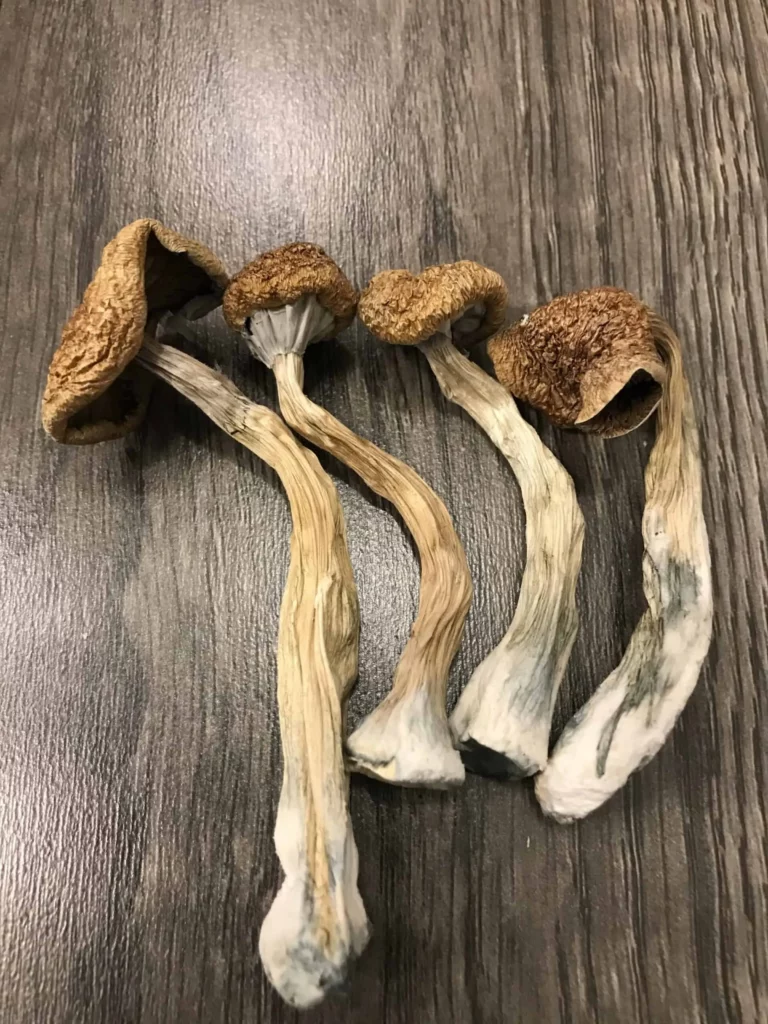
Next up, we have psilocybin mushrooms, also known as “magic mushrooms” or “shrooms.” These little fungi pack a punch with their mystical properties, often leading to euphoric highs and spectacular visual experiences. For many, they’re a gentle introduction to the world of psychedelics, offering a more organic vibe. Imagine Mother Nature herself joining you for a whimsical stroll through the gardens of your mind.
DMT: The Spirit Molecule
DMT—often dubbed the “spirit molecule”—is famous for its intensely short yet profound experiences. Users often report encounters with otherworldly beings and landscapes that would put a Salvador Dalí painting to shame. Just a puff or two, and you’re launched into an entirely different dimension. Think of it as a cosmic elevator ride to realms unknown, with a view to match.
Mescaline: The Cactus Psychedelic
Last but definitely not least, we have mescaline, derived from cacti like peyote. Renowned for its visual and sensory effects, mescaline has been revered in many Indigenous cultures for spiritual purposes. Users often describe the experience as colorful and surreal, making it a compelling contender in this psychedelic showdown. So, if you’re looking to commune with the cactus, mescaline might just be your ticket to a vibrant mind-bending adventure.
Effects and Experiences: What Users Report
Common Psychological Effects
When it comes to psychedelics, the mind is where the magic happens—or sometimes, the madness. Users often report a range of psychological effects, including heightened emotions, altered perceptions of reality, and vivid visual or auditory hallucinations. Some people describe feeling a profound sense of interconnectedness, as if they’ve tapped into the universe’s Wi-Fi, while others may find themselves wrestling with existential questions. And let’s be honest, who hasn’t had that moment of pondering “What is the meaning of life?” after a bit too much of the good stuff?
Physical Reactions and Side Effects
While the mind is busy exploring new realms, the body might have a few things to say too. Common physical reactions include increased heart rate, changes in body temperature, and sometimes, a great deal of nausea—like your stomach is questioning your life choices. Some individuals report feeling energetic and euphoric, while others experience symptoms like dizziness or even muscle tension. Like ordering a mystery box, you may not know exactly what you’re going to get, but it’s sure to be an adventure!
Long-Term Impact on Consciousness
The effects of psychedelics can linger long after the trip is over. Some users report lasting changes in perspective, increased creativity, and a profound sense of peace. Others might find they’ve developed new coping strategies for anxiety or depression. However, it’s not all sunshine and rainbows; there’s also the potential for negative experiences, like flashbacks or heightened anxiety. It’s a bit like opening Pandora’s box—some treasures and some surprises you weren’t ready for!
Legal Status and Cultural Implications
Global Regulations on Psychedelics
Psychedelics are the ultimate rebels, navigating a patchwork of legal statuses across the globe. In some countries, substances like psilocybin mushrooms or LSD are strictly forbidden, while others have embraced their therapeutic potential, leading to a growing gray market (not that type of gray market). In the U.S., for instance, certain cities have decriminalized mushrooms, while federal laws still keep them tightly under wraps. It’s a world where legality can be as trippy as the drugs themselves!
Shifting Attitudes in Society
Society’s view on psychedelics is evolving faster than a Twitter trend. Once stigmatized and equated with counterculture movements, these substances are now being reconsidered for their potential benefits in therapy and personal growth. As more research emerges and testimonials flood in, the previous “just say no” narrative is giving way to a more nuanced conversation—one that includes, “Hey, maybe there’s something more here!” It’s a cultural renaissance, where people are exploring the mind’s depths and reevaluating their past judgments.
The Future of Psychedelics in Medicine and Society
Research and Clinical Trials
The scientific community is busy with the psychedelic renaissance, launching an array of research and clinical trials aimed at unlocking the full potential of these substances. Studies investigating the effects of MDMA on PTSD or psilocybin for depression show promising results, with some trials yielding outcomes that are making researchers do a double-take. It’s a captivating time in the field of psychology, and who knows? We might just be on the cusp of a major breakthrough in mental health treatment.
Potential for Therapeutic Use
With mounting evidence suggesting that psychedelics can help treat various mental health disorders, the future looks bright—or perhaps a bit kaleidoscopic! Therapists are beginning to incorporate these substances into their practices, offering patients new avenues for healing. Imagine a session with a trained professional that includes a guided trip rather than just a chat about your week. It’s an exciting prospect, but it also emphasizes the importance of safety and responsible use. After all, you want your psychedelic experience to be enlightening, not terrifying!
Conclusion: The Quest for the Ultimate Psychedelic Experience
Reflections on Personal Journeys
As we’ve journeyed through the colorful landscape of psychedelics, it’s clear that each individual’s experience is uniquely their own. From epiphanies about life’s intricacies to encounters with one’s inner demons, these adventures can lead to profound personal growth. Like a wild ride at an amusement park, it’s filled with ups and downs, twists and turns, and maybe even a few “What on Earth was that?!” moments. Ultimately, the quest for the ultimate psychedelic experience is just as much about the journey as it is about the destination.
The Ongoing Exploration of Psychedelic Substances
As society becomes more accepting and research continues to expand, the exploration of psychedelic substances is entering a new era. Whether for healing, creativity, or sheer curiosity, the possibilities seem endless. The key will be approaching this exploration with respect, caution, and understanding that the mind is a powerful and mysterious place—one that deserves careful navigation. So buckle up, because this is just the beginning of an exciting expedition into the uncharted territories of consciousness!As we navigate the complexities of psychedelics and their impact on human consciousness, it becomes clear that the quest for the most psychedelic drug is not just about potency, but also about personal experience and cultural significance. Whether through ancient rituals or modern therapeutic practices, the exploration of these substances continues to captivate and challenge our understanding of the mind. As research advances and societal attitudes evolve, the dialogue around psychedelics will undoubtedly play a crucial role in shaping their future in medicine and beyond.
Frequently Asked Questions
1. What are the most common effects of psychedelic drugs?
Psychedelic drugs typically produce altered states of consciousness, which can include visual and auditory hallucinations, changes in perception of time, enhanced emotional experiences, and a sense of interconnectedness. Individual experiences may vary widely based on the substance used and the user’s mindset and environment.
2. Are psychedelics safe to use?
While many psychedelics are considered to have a low potential for addiction and toxicity, they can still pose risks, especially in uncontrolled environments or for individuals with certain mental health conditions. It is important to approach their use with caution and knowledge.
3. How do different psychedelics compare in terms of potency?
Potency can vary significantly among different psychedelics, often measured by the intensity of the effects and duration of the experience. For instance, LSD is known for its potency at low doses, while substances like psilocybin mushrooms and DMT may produce strong experiences at higher doses but have different effects.
4. What is the legal status of psychedelics around the world?
The legal status of psychedelics varies greatly across countries and regions. While some places are beginning to decriminalize or legalize certain psychedelics for therapeutic use, others maintain strict prohibitions. It’s essential to stay informed about local laws regarding these substances.
No Responses