If you’re curious about magic mushrooms and where they fit into Europe’s evolving cultural landscape, you’re not alone. Interest in psychedelic experiences has grown rapidly in recent years, with travelers and enthusiasts seeking destinations where laws, traditions, and modern attitudes intersect.
In this guide, we explore Europe’s most notable psychedelic-friendly destinations, what makes them unique, and how to approach the topic responsibly. Whether you’re researching or simply curious, this overview will help you navigate the scene safely and intelligently.
Understanding Magic Mushrooms in Europe
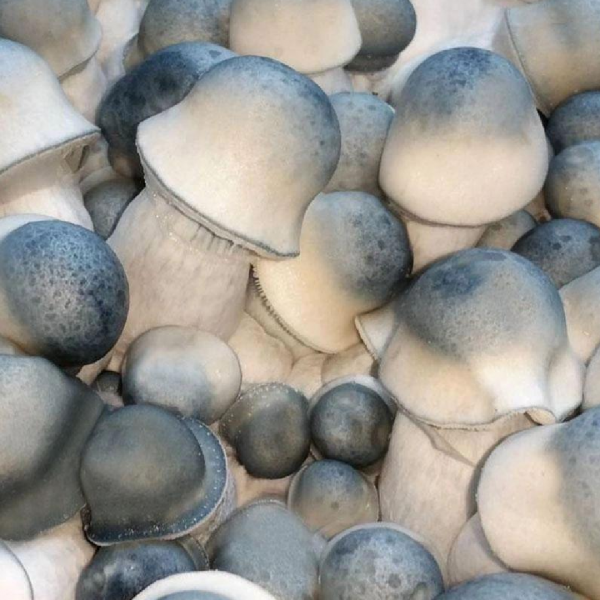
Magic mushrooms, also known as psilocybin mushrooms, contain naturally occurring compounds that can alter perception, mood, and cognition. Across Europe, their legal status varies significantly from country to country.
Before considering any purchase or experience, it’s essential to:
- Understand local laws and regulations
- Prioritize safety and responsible use
- Avoid illegal or unsafe sources
Top Psychedelic-Friendly Destinations in Europe
1. Amsterdam, Netherlands
Amsterdam has long been considered Europe’s psychedelic capital. While dried magic mushrooms are banned, psilocybin truffles remain legal and widely available in licensed “smart shops.”
Why it stands out:
- Regulated retail environment
- Knowledgeable staff in shops
- Strong culture of harm reduction
Visitors can explore a wide range of truffle products, often paired with guidance on dosage and safe use.
2. Barcelona, Spain
Barcelona offers a different model through private cannabis and psychedelic clubs. While public sale is restricted, some communities operate in legal gray areas.
Why it stands out:
- Private membership-based access
- Growing alternative wellness scene
- Artistic and open-minded culture
This destination attracts those interested in community-based experiences rather than retail shopping.
3. Berlin, Germany
Berlin is known for its underground culture and progressive attitudes. While magic mushrooms are illegal, the city’s experimental art and wellness scenes often intersect with psychedelic discussions.
Why it stands out:
- Strong interest in psychedelic research and therapy
- Open conversations around mental health and consciousness
- Alternative cultural hubs
Berlin is more about education and cultural exploration than shopping.
4. Portugal
Portugal has decriminalized the possession of small amounts of drugs, including psilocybin mushrooms. While this does not mean legal sales, it has shaped a more health-focused approach.
Why it stands out:
- Decriminalized framework
- Focus on public health rather than punishment
- Increasing interest in psychedelic retreats
Travelers often come here for guided, structured experiences rather than retail purchases.
5. Prague, Czech Republic
Prague is known for its relaxed atmosphere and nuanced legal stance. While mushrooms are technically illegal, enforcement can be less strict compared to other countries.
Why it stands out:
- Vibrant nightlife and alternative culture
- Emerging interest in psychedelics
- Affordable travel destination
As always, caution and awareness of local laws are essential.
Tips for Safe and Responsible Exploration
No matter where you travel, safety should always come first. Here are a few key principles:
- Know the law: Regulations change frequently, so stay updated
- Start low, go slow: If exploring, conservative dosing is crucial
- Choose trusted environments: Avoid unsafe or unverified sources
- Stay informed: Education is your best tool
The Rise of Psychedelic Tourism
Europe is seeing a growing trend in psychedelic tourism, driven by curiosity, wellness exploration, and scientific research into substances like psilocybin.
However, this trend comes with responsibility. Ethical travel means respecting local laws, cultures, and health considerations—not just chasing experiences.
Final Thoughts
Europe offers a diverse and complex landscape for those interested in magic mushrooms. From Amsterdam’s regulated truffle shops to Portugal’s health-focused policies, each destination reflects a different approach.
If you’re exploring this space, prioritize knowledge, safety, and legality above all else.
For more insights, guides, and curated products, visit:
👉 https://magicmushroomery.com/shop/
Magic Mushrooms Shopping: Europe’s Most Psychedelic Destinations
If you’re curious about magic mushrooms and where they fit into Europe’s evolving cultural landscape, you’re not alone. Interest in psychedelic experiences has grown rapidly in recent years, with travelers and enthusiasts seeking destinations where laws, traditions, and modern attitudes intersect.
In this guide, we explore Europe’s most notable psychedelic-friendly destinations, what makes them unique, and how to approach the topic responsibly. Whether you’re researching or simply curious, this overview will help you navigate the scene safely and intelligently.
Understanding Magic Mushrooms in Europe
Magic mushrooms, also known as psilocybin mushrooms, contain naturally occurring compounds that can alter perception, mood, and cognition. Across Europe, their legal status varies significantly from country to country.
Before considering any purchase or experience, it’s essential to:
- Understand local laws and regulations
- Prioritize safety and responsible use
- Avoid illegal or unsafe sources
Top Psychedelic-Friendly Destinations in Europe
1. Amsterdam, Netherlands
Amsterdam has long been considered Europe’s psychedelic capital. While dried magic mushrooms are banned, psilocybin truffles remain legal and widely available in licensed “smart shops.”
Why it stands out:
- Regulated retail environment
- Knowledgeable staff in shops
- Strong culture of harm reduction
Visitors can explore a wide range of truffle products, often paired with guidance on dosage and safe use.
2. Barcelona, Spain
Barcelona offers a different model through private cannabis and psychedelic clubs. While public sale is restricted, some communities operate in legal gray areas.
Why it stands out:
- Private membership-based access
- Growing alternative wellness scene
- Artistic and open-minded culture
This destination attracts those interested in community-based experiences rather than retail shopping.
3. Berlin, Germany
Berlin is known for its underground culture and progressive attitudes. While magic mushrooms are illegal, the city’s experimental art and wellness scenes often intersect with psychedelic discussions.
Why it stands out:
- Strong interest in psychedelic research and therapy
- Open conversations around mental health and consciousness
- Alternative cultural hubs
Berlin is more about education and cultural exploration than shopping.
4. Portugal
Portugal has decriminalized the possession of small amounts of drugs, including psilocybin mushrooms. While this does not mean legal sales, it has shaped a more health-focused approach.
Why it stands out:
- Decriminalized framework
- Focus on public health rather than punishment
- Increasing interest in psychedelic retreats
Travelers often come here for guided, structured experiences rather than retail purchases.
5. Prague, Czech Republic
Prague is known for its relaxed atmosphere and nuanced legal stance. While mushrooms are technically illegal, enforcement can be less strict compared to other countries.
Why it stands out:
- Vibrant nightlife and alternative culture
- Emerging interest in psychedelics
- Affordable travel destination
As always, caution and awareness of local laws are essential.
Tips for Safe and Responsible Exploration
No matter where you travel, safety should always come first. Here are a few key principles:
- Know the law: Regulations change frequently, so stay updated
- Start low, go slow: If exploring, conservative dosing is crucial
- Choose trusted environments: Avoid unsafe or unverified sources
- Stay informed: Education is your best tool
The Rise of Psychedelic Tourism
Europe is seeing a growing trend in psychedelic tourism, driven by curiosity, wellness exploration, and scientific research into substances like psilocybin.
However, this trend comes with responsibility. Ethical travel means respecting local laws, cultures, and health considerations—not just chasing experiences.
Final Thoughts
Europe offers a diverse and complex landscape for those interested in magic mushrooms. From Amsterdam’s regulated truffle shops to Portugal’s health-focused policies, each destination reflects a different approach.
If you’re exploring this space, prioritize knowledge, safety, and legality above all else.
For more insights, guides, and curated products, visit:
👉 https://magicmushroomery.com/shop/
No Responses