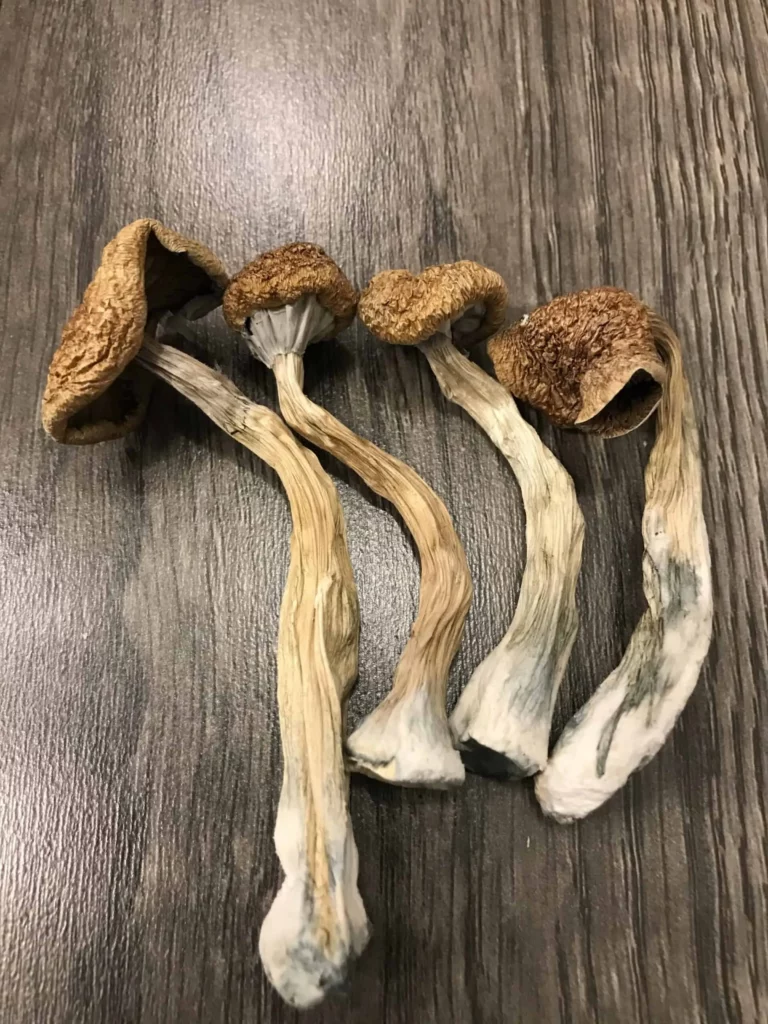
Safe and Legal Information About Magic Mushrooms Across Europe (2026 Guide)
Magic mushrooms, also known as psilocybin mushrooms, have attracted growing scientific interest because researchers are studying their potential role in mental health treatment. However, despite increased research, psilocybin remains a controlled substance in most European countries, and laws differ significantly between jurisdictions.
Understanding the Legal Status in Europe
Countries with Different Legal Approaches
Several European jurisdictions have unique legal frameworks:
- The Netherlands permits the commercial sale of psilocybin truffles under specific regulations, while most psilocybin mushrooms remain prohibited.
- Portugal has decriminalized possession of small amounts of drugs for personal use, although trafficking and commercial sales remain illegal.
- Some countries permit scientific or clinical research under government authorization.
These examples should not be interpreted as permission to possess or consume psilocybin, as local laws vary and may change.
Medical Research Continues to Grow
Universities and research institutions across Europe continue investigating psilocybin-assisted therapy for conditions such as:
- Treatment-resistant depression
- Anxiety associated with serious illness
- Post-traumatic stress disorder (PTSD)
- Substance use disorders
Although research is promising, no psilocybin medicine has received broad approval for routine clinical use across the European Union. Any therapeutic use should occur only within approved clinical trials or authorized medical programs.
Why Legal Compliance Matters
Ignoring local drug laws can result in:
- Criminal charges
- Financial penalties
- Travel restrictions
- Confiscation of prohibited substances
Since legislation differs across Europe, travelers should always check official government guidance before crossing borders.
Prioritize Safety
Anyone considering psychedelic substances should understand that these substances can carry psychological risks, especially outside regulated medical settings.
Potential concerns include:
- Anxiety or panic reactions
- Confusion
- Impaired judgment
- Increased risk for individuals with certain mental health conditions
Researchers emphasize that therapeutic studies occur under carefully controlled clinical supervision and should not be compared with unsupervised recreational use.
Stay Informed Through Reliable Sources
When researching psychedelic science, rely on trusted sources such as:
- National health authorities
- Government drug information services
- Universities
- Peer-reviewed medical journals
- The European Union Drugs Agency (EUDA)
These organizations regularly publish updates on research findings and legal developments.
Conclusion
Interest in psilocybin continues to grow throughout Europe, particularly within medical research. However, the legal status of magic mushrooms remains complex and varies from country to country. Before making decisions related to psychedelics, always consult current laws and trusted health information.
Understanding the legal landscape helps individuals make informed, responsible decisions while supporting evidence-based discussion about psychedelic research.
No Responses