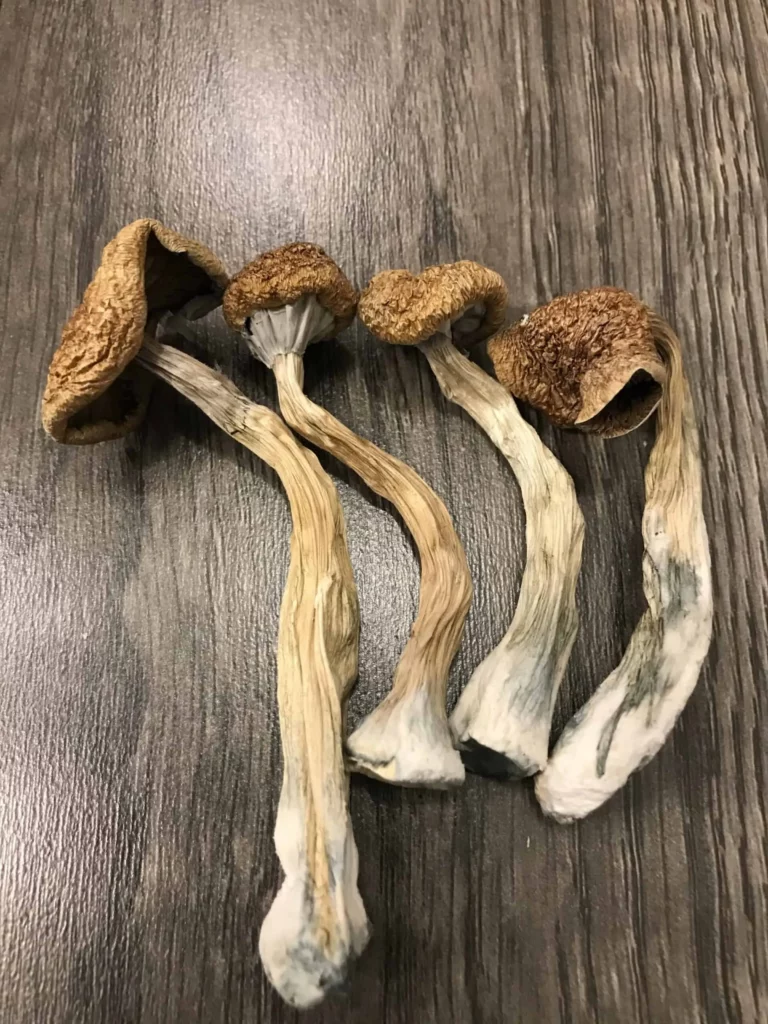
Understanding Psilocybin Mushrooms: History, Research, and Legal Status
What Are Psilocybin Mushrooms?
Psilocybin mushrooms are naturally occurring fungi that contain psilocybin, a compound that the body converts into psilocin after consumption. Psilocin interacts with serotonin receptors in the brain, which may alter perception, mood, and cognition.
A Brief History of Psilocybin Mushrooms
Historical evidence suggests that certain cultures used psilocybin-containing mushrooms in spiritual and ceremonial practices for centuries. Archaeological findings and historical records indicate that these mushrooms held cultural and religious significance in some Indigenous traditions.
In the mid-20th century, scientists began formally studying psilocybin. Research slowed in many countries due to legal restrictions but has increased again in recent years as universities and medical institutions explore its therapeutic potential.
How Psilocybin Affects the Brain
Studies suggest that these interactions may influence:
- Sensory perception
- Mood and emotions
- Thought patterns
- Sense of time
- Self-awareness and introspection
Current Scientific Research
Researchers are studying psilocybin in controlled clinical settings to understand whether it may have therapeutic applications for certain mental health conditions. These studies are conducted under strict ethical and medical guidelines.
Areas currently being researched include:
- Depression
- Anxiety related to serious illness
- Substance use disorders
- Post-traumatic stress disorder (PTSD)
- End-of-life psychological distress
Although some findings have been promising, research is still ongoing, and psilocybin is not approved for all medical uses in many countries.
Potential Risks and Side Effects
Psilocybin can also involve risks. Possible adverse effects may include:
- Anxiety or panic
- Confusion
- Impaired judgment
- Increased heart rate
- Distressing experiences
- Psychological discomfort
Individuals with certain mental health conditions may face additional risks. Scientific studies continue to evaluate both the potential benefits and possible harms.
Legal Status Around the World
The legal status of psilocybin mushrooms differs widely between countries and regions. Some jurisdictions prohibit possession, cultivation, or distribution, while others have limited medical, research, or decriminalization frameworks.
Before making decisions related to psilocybin, it is important to understand the laws that apply in your location.
Why Education Matters
Reliable information helps people make informed decisions and understand both the scientific evidence and legal realities surrounding psilocybin. Educational resources should prioritize accuracy, safety, and evidence-based information rather than myths or misinformation.
As scientific research evolves, public understanding of psilocybin continues to change. Staying informed through credible sources and peer-reviewed research can provide a clearer picture of what is currently known—and what researchers are still working to understand.
Frequently Asked Questions
Are psilocybin mushrooms the same as all wild mushrooms?
No. Most mushroom species do not contain psilocybin. Correct identification of wild mushrooms is extremely important because some mushrooms can be toxic or deadly.
Are psilocybin mushrooms legal everywhere?
No. Laws vary significantly between countries, states, and regions. Always verify the regulations in your local area.
Are scientists still studying psilocybin?
Yes. Universities and medical researchers continue to study psilocybin in controlled settings to better understand its effects, risks, and possible therapeutic applications.
Can psilocybin affect everyone the same way?
No. Individual experiences can differ widely due to factors such as biology, environment, mindset, and dosage.
Conclusion
Psilocybin mushrooms have a long history and remain an important area of scientific research. Understanding their cultural background, potential effects, ongoing studies, possible risks, and legal considerations can help create informed discussions based on evidence rather than misconceptions.
Educational information plays a vital role in promoting responsible understanding of complex topics, especially as research in this field continues to develop.
No Responses