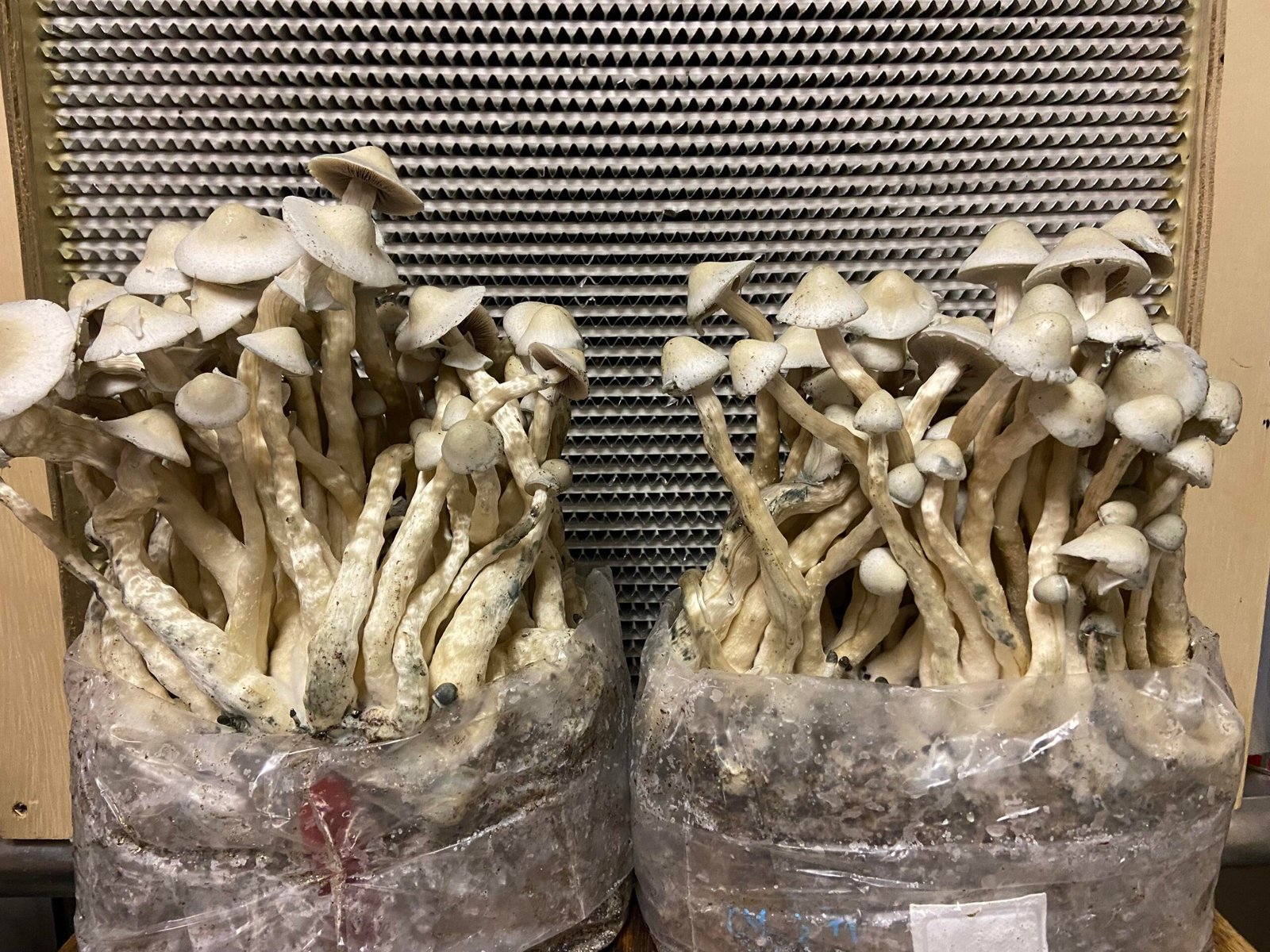
Magic Mushrooms in the UK: Laws, Research, Safety, and Frequently Asked Questions (2026 Guide)
What Are Magic Mushrooms?
Are Magic Mushrooms Legal in the UK?
Anyone seeking legal information should refer to official UK government guidance, as legislation can change over time.
Why Are Researchers Interested in Psilocybin?
Areas of study include:
- Depression
- Anxiety associated with serious illness
- Post-traumatic stress disorder (PTSD)
- Substance use disorders
- Obsessive-compulsive disorder (OCD)
How Does Psilocybin Affect the Brain?
Research suggests that psilocybin temporarily changes communication between different areas of the brain.
Participants in clinical studies have reported experiences such as:
- Changes in perception
- Altered sense of time
- Increased emotional awareness
- Visual distortions
- Deep introspection
Experiences vary significantly between individuals and depend on many factors.
Potential Risks
Like many psychoactive substances, psilocybin can produce unwanted effects.
Possible risks include:
- Anxiety
- Panic reactions
- Confusion
- Nausea
- Increased heart rate
- Impaired judgment
Individuals with certain mental health conditions may face additional risks, which is why clinical research includes careful screening and professional supervision.
Mushroom Safety
Many wild mushrooms closely resemble one another, and some poisonous species can look similar to edible varieties.
For this reason:
- Never consume a wild mushroom unless it has been identified with certainty by a qualified expert.
- Misidentification can result in serious illness or death.
- Learning about fungi through books, museums, or guided educational events is a safer way to build knowledge.
Current Scientific Research
Interest in psychedelic science continues to grow. Universities and research institutions are investigating:
- Brain imaging during psilocybin therapy
- Long-term psychological outcomes
- Appropriate therapeutic protocols
- Potential medical applications
- Safety and effectiveness in clinical settings
Although research is promising in some areas, more large-scale studies are needed before conclusions can be made about routine medical use.
Frequently Asked Questions
What is psilocybin?
Psilocybin is a naturally occurring compound found in certain mushroom species. It is converted in the body to psilocin, which affects serotonin receptors in the brain.
Are magic mushrooms legal in the UK?
Psilocybin-containing mushrooms are generally illegal under UK law except in limited authorized scientific or medical circumstances.
Why are scientists studying psilocybin?
Researchers are exploring whether psilocybin-assisted therapy may have potential benefits for certain mental health conditions when administered in carefully controlled clinical environments.
Can you safely identify wild mushrooms?
Many poisonous mushrooms resemble edible species. Proper identification requires specialist knowledge, and mistakes can have serious consequences.
Is psilocybin approved as a routine medical treatment?
Research is ongoing. Any approved medical uses depend on the laws and regulatory decisions of individual countries.
Conclusion
Magic mushrooms remain a topic of scientific and public interest. While researchers continue to investigate the potential of psilocybin in clinical settings, it is important to understand the current legal framework in the UK and to rely on evidence-based information.
Keeping informed through reputable scientific research and official guidance can help readers better understand this evolving field.
No Responses