UK Magic Mushrooms: Understanding the Law, Research, and Safety in 2026
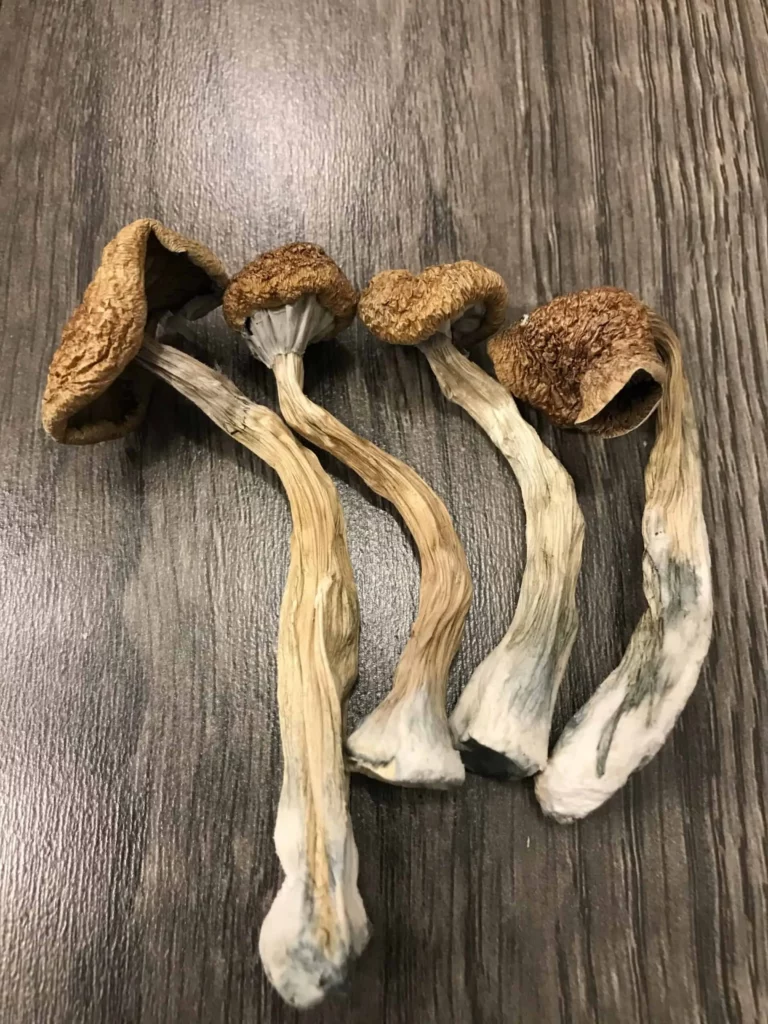
What Are Magic Mushrooms?
Are Magic Mushrooms Legal in the UK?
Under current UK law, psilocybin and psilocin are controlled substances. Possessing, producing, supplying, or importing psilocybin-containing mushrooms without appropriate legal authorization is illegal and may result in criminal penalties.
Anyone interested in learning about psilocybin should rely on reputable educational resources and scientific publications rather than unverified online claims.
Why Are Scientists Studying Psilocybin?
Researchers are investigating psilocybin because early clinical studies suggest it may have therapeutic potential when administered in carefully controlled medical environments.
Current areas of research include:
- Treatment-resistant depression
- Anxiety associated with serious illness
- Post-traumatic stress disorder (PTSD)
- Obsessive-compulsive disorder (OCD)
- Substance use disorders
These studies involve extensive screening, professional supervision, and standardized dosing. Researchers continue to study both potential benefits and risks before broader medical use could be considered.
Potential Risks
Psilocybin is not risk-free. Possible adverse effects include:
- Anxiety or panic
- Confusion
- Impaired judgment
- Elevated heart rate
- Nausea
- Psychological distress
- Increased risk for individuals with certain mental health conditions
Unregulated products may also contain unknown substances or inaccurate concentrations, increasing potential risks.
Harm Reduction Principles
If discussing psychedelics from a public health perspective, experts generally recommend:
- Being aware of local laws.
- Avoiding mixing psychoactive substances.
- Never driving or operating machinery while impaired.
- Seeking immediate medical assistance during severe physical or psychological reactions.
These principles do not make illegal activity safe but aim to reduce preventable harm.
Ongoing Clinical Research
Universities and hospitals around the world continue to evaluate psilocybin in regulated clinical settings. Researchers are working to better understand:
- Appropriate dosing
- Long-term effects
- Patient selection
- Psychological support before and after treatment
- Overall effectiveness compared with existing therapies
Further evidence is still needed before conclusions can be made about widespread clinical use.
Frequently Asked Questions
Can psilocybin treat depression?
Research is ongoing. Some clinical trials have reported promising results under medical supervision, but psilocybin has not become a standard treatment for depression in the UK.
Is self-medicating recommended?
No. Self-treatment carries significant legal and health risks and lacks the safeguards used in clinical research.
Why are scientists interested in psilocybin?
Researchers are exploring how it affects brain networks, mood, and cognition, and whether it could complement existing treatments for specific mental health conditions.
Final Thoughts
Interest in psilocybin research continues to grow as scientists investigate its possible therapeutic applications. However, in the United Kingdom, psilocybin-containing mushrooms remain illegal outside authorized research and other limited legal contexts.
Anyone interested in this field should stay informed through reputable scientific research and official government guidance. Understanding both the legal landscape and the evolving evidence can help readers make informed decisions based on facts rather than misinformation.
No Responses