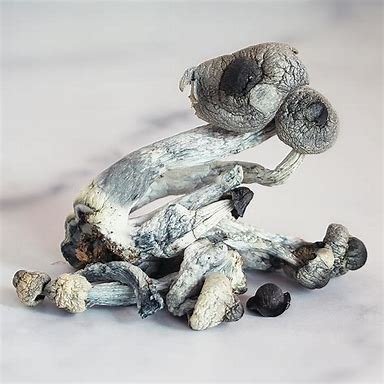
Understanding Dried Magic Mushrooms: Safety, Risks, Legal Status, and What to Know Before Considering Psilocybin
This guide explains what dried magic mushrooms are, how they work, potential risks, legal considerations, and current scientific research. The purpose of this article is educational and should not be interpreted as medical or legal advice.
What Are Dried Magic Mushrooms?
More than 180 mushroom species are known to contain psilocybin, although the amount varies depending on species, growing conditions, and age.
How Does Psilocybin Work?
These interactions may temporarily alter:
- Perception
- Mood
- Thinking patterns
- Sense of time
- Visual and auditory experiences
- Emotional processing
The experience varies significantly between individuals and cannot be predicted with certainty.
Current Scientific Research
Areas of ongoing research include:
- Treatment-resistant depression
- Anxiety associated with serious illness
- Post-traumatic stress disorder (PTSD)
- Obsessive-compulsive disorder (OCD)
- Substance use disorders
Potential Risks
Psilocybin is not risk-free.
Possible short-term effects include:
- Anxiety
- Panic
- Confusion
- Increased heart rate
- Elevated blood pressure
- Nausea
- Dizziness
- Impaired judgment
Some individuals may experience intense fear or distress during the experience.
People with a personal or family history of psychotic disorders should avoid psilocybin because it may increase psychological risks.
Factors That Influence the Experience
Researchers often describe the importance of “set and setting.”
These include:
- Mental state
- Physical environment
- Emotional wellbeing
- Expectations
- Social surroundings
These factors can significantly influence how a person experiences psilocybin.
Legal Status
The legal status of dried magic mushrooms differs widely around the world.
Some countries prohibit possession, cultivation, and sale.
Others allow limited medical research or supervised therapeutic use.
Always check the laws in your local jurisdiction before possessing or using any substance that contains psilocybin.
Harm Reduction Information
For educational purposes, public health experts recommend that individuals understand the risks associated with psychoactive substances.
General harm reduction principles include:
- Avoid mixing substances.
- Never drive or operate machinery while impaired.
- Be aware of your local laws.
- Understand potential mental and physical health risks.
- Seek immediate medical attention if someone experiences severe distress or a medical emergency.
Frequently Asked Questions
Are dried mushrooms stronger than fresh mushrooms?
Drying removes water but does not necessarily increase potency. Because dried mushrooms weigh less, comparing fresh and dried mushrooms by weight can be misleading.
How long do dried mushrooms last?
When stored properly in a cool, dry, dark environment, dried mushrooms generally retain quality longer than fresh mushrooms.
Can everyone use psilocybin safely?
No. Psilocybin may pose greater risks for people with certain medical or psychiatric conditions. Anyone considering participation in clinical research should consult qualified healthcare professionals.
Is psilocybin approved as medicine?
Research continues worldwide. Regulatory approval varies by country, and psilocybin is not broadly approved as a standard medical treatment in most places.
Final Thoughts
Scientific interest in psilocybin has grown considerably over the past decade. Researchers continue exploring its potential therapeutic applications while emphasizing the importance of careful screening, professional supervision, and further clinical trials.
Anyone seeking information about psilocybin should rely on reputable scientific sources, understand the legal framework in their country, and prioritize their health and safety.
No Responses