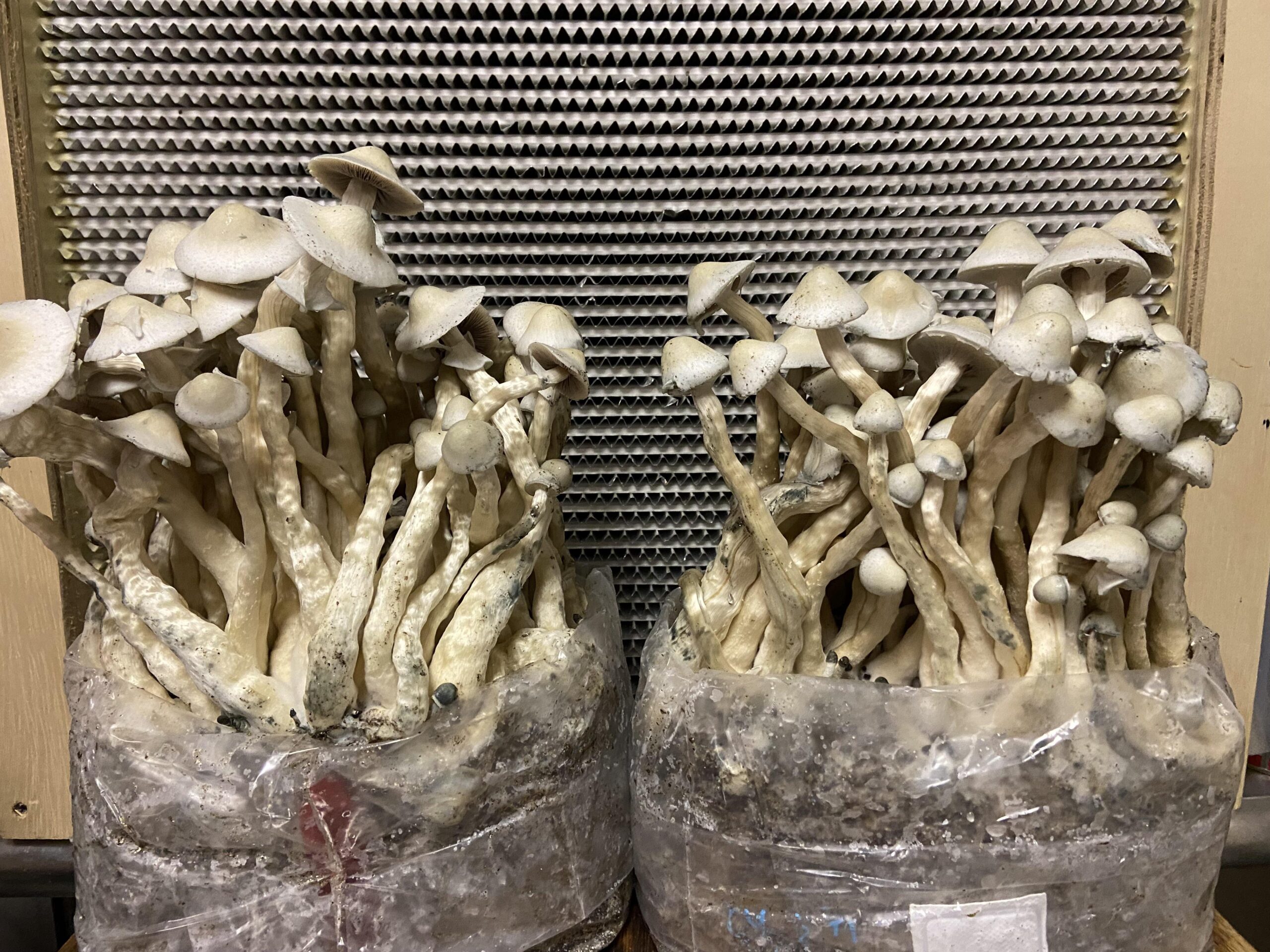
Suggested URL Slug:/difference-between-mushroom-spores-and-psilocybin
Internal Link Suggestion:
Magic Mushroomery Shop
The Difference Between Mushroom Spores and Psilocybin: A Complete Guide
When people begin learning about psychedelic mushrooms, one of the most common points of confusion is the difference between mushroom spores and psilocybin. These terms are often used together, but they are not the same thing.
Understanding the distinction is important because mushroom spores and psilocybin serve completely different roles. One is involved in mushroom reproduction, while the other is a naturally occurring compound found in certain mushroom species.
This guide explains the differences in simple terms.
What Are Mushroom Spores?
Mushroom spores are microscopic reproductive cells released by fungi. You can think of them as functioning similarly to seeds in plants, although fungi reproduce differently.
Spores are responsible for helping mushrooms spread and reproduce. When environmental conditions are favorable, spores can germinate and eventually develop into mycelium, which later produces mushrooms.
Key characteristics of mushroom spores:
- Microscopic reproductive units
- Produced naturally by fungi
- Used for propagation and growth
- Different species create different spore patterns and colors
- Do not serve the same function as psychoactive compounds
Spores are a biological starting point in the fungal life cycle.
What Is Psilocybin?
Psilocybin is a naturally occurring compound present in certain mushroom species often referred to as psychedelic mushrooms.
After entering the body, psilocybin is converted into psilocin, which interacts with serotonin receptors in the brain and contributes to altered perception and psychological effects.
Key characteristics of psilocybin:
- Naturally occurring compound
- Found in specific mushroom species
- Associated with psychoactive effects
- Different from reproductive structures like spores
- Studied for potential therapeutic applications in research settings
Psilocybin is a chemical compound, not a reproductive element of a mushroom.
Mushroom Spores vs Psilocybin: Main Differences
| Feature | Mushroom Spores | Psilocybin |
|---|---|---|
| Primary purpose | Reproduction | Psychoactive compound |
| Biological role | Helps fungi spread and grow | Chemical component in some species |
| Physical form | Microscopic cells | Naturally occurring molecule |
| Location | Released by mushrooms | Found within certain mushroom tissues |
| Function | Starts fungal life cycle | Interacts with the nervous system |
The biggest takeaway is simple:
Spores create mushrooms. Psilocybin is a compound found within some mushrooms.
Why People Often Confuse the Two
The confusion usually happens because discussions about psychedelic mushrooms frequently mention both terms together.
Someone researching mushrooms may read about:
- Spore prints
- Spore syringes
- Mushroom species
- Psilocybin content
Without understanding the fungal life cycle, these concepts can appear closely connected.
However, they represent different stages and functions within mushroom biology.
Understanding the Mushroom Life Cycle
The process generally follows these stages:
- Mushrooms release spores
- Spores germinate under suitable conditions
- Mycelium develops
- Mushrooms grow
- Mature mushrooms release new spores
Psilocybin, when present in a species, exists within the mushroom itself rather than functioning as part of reproduction.
Common Misconceptions
Myth: Mushroom spores and psilocybin are the same thing
Reality: They are entirely different biological components.
Myth: Spores are responsible for psychedelic effects
Reality: Psilocybin is the compound associated with psychoactive effects, not spores.
Myth: Learning one automatically explains the other
Reality: Understanding fungal biology and understanding psychoactive compounds are separate topics.
Frequently Asked Questions
Do mushroom spores contain psilocybin?
Spores and psilocybin are different biological elements. Spores function in fungal reproduction, while psilocybin is a compound found within certain mushroom species.
Why are spores important?
Spores are essential because they allow fungi to reproduce and continue their life cycle.
Why is psilocybin important?
Psilocybin has become a topic of scientific interest due to ongoing research into its effects and potential applications.
Final Thoughts
Understanding the difference between mushroom spores and psilocybin helps remove much of the confusion surrounding mushroom biology.
The simplest way to remember it is:
Mushroom spores are reproductive cells that help create future mushrooms, while psilocybin is a naturally occurring compound found within some mushroom species.
Learning these basics creates a stronger foundation for understanding fungi and the science surrounding them.
No Responses